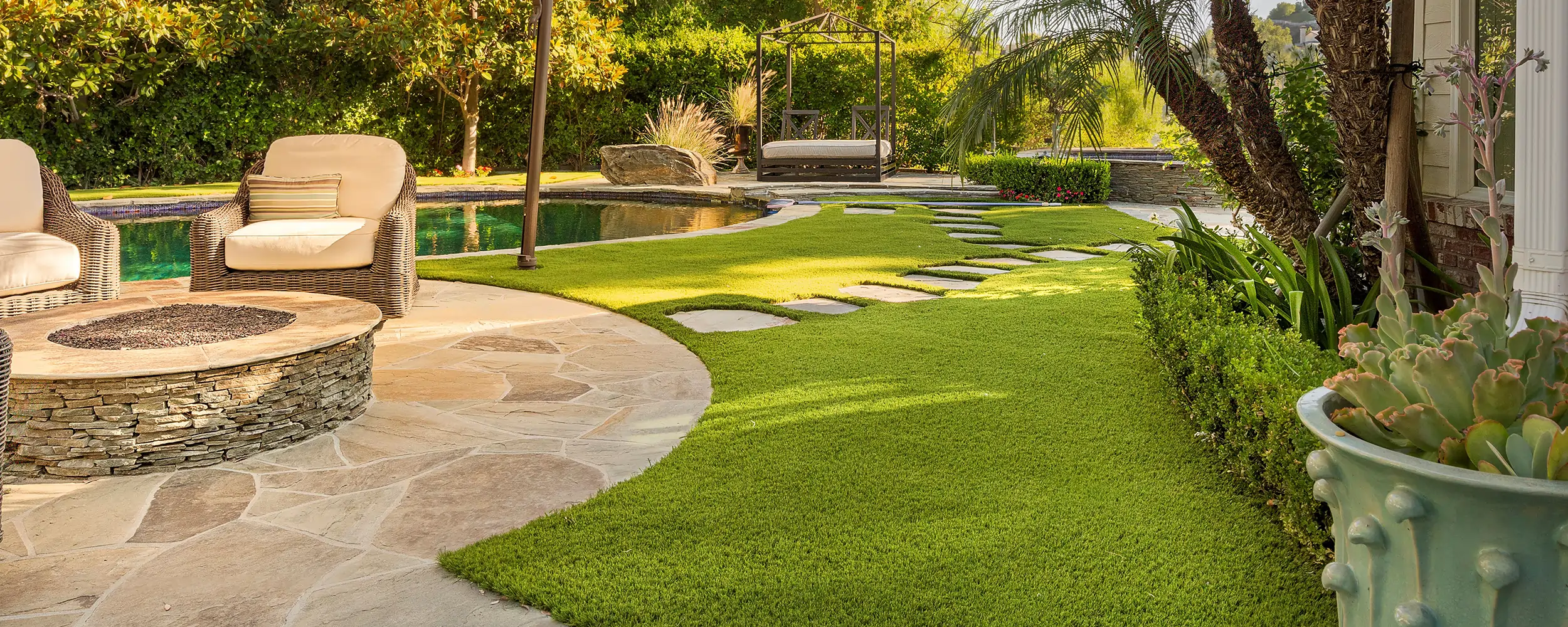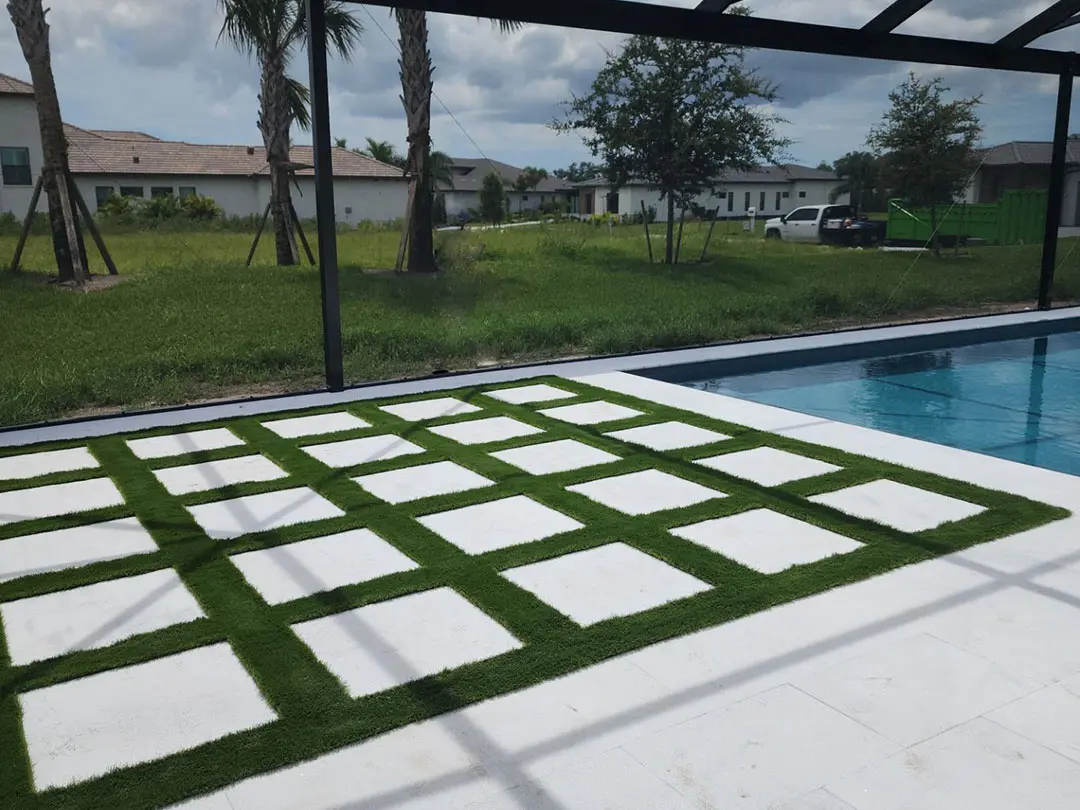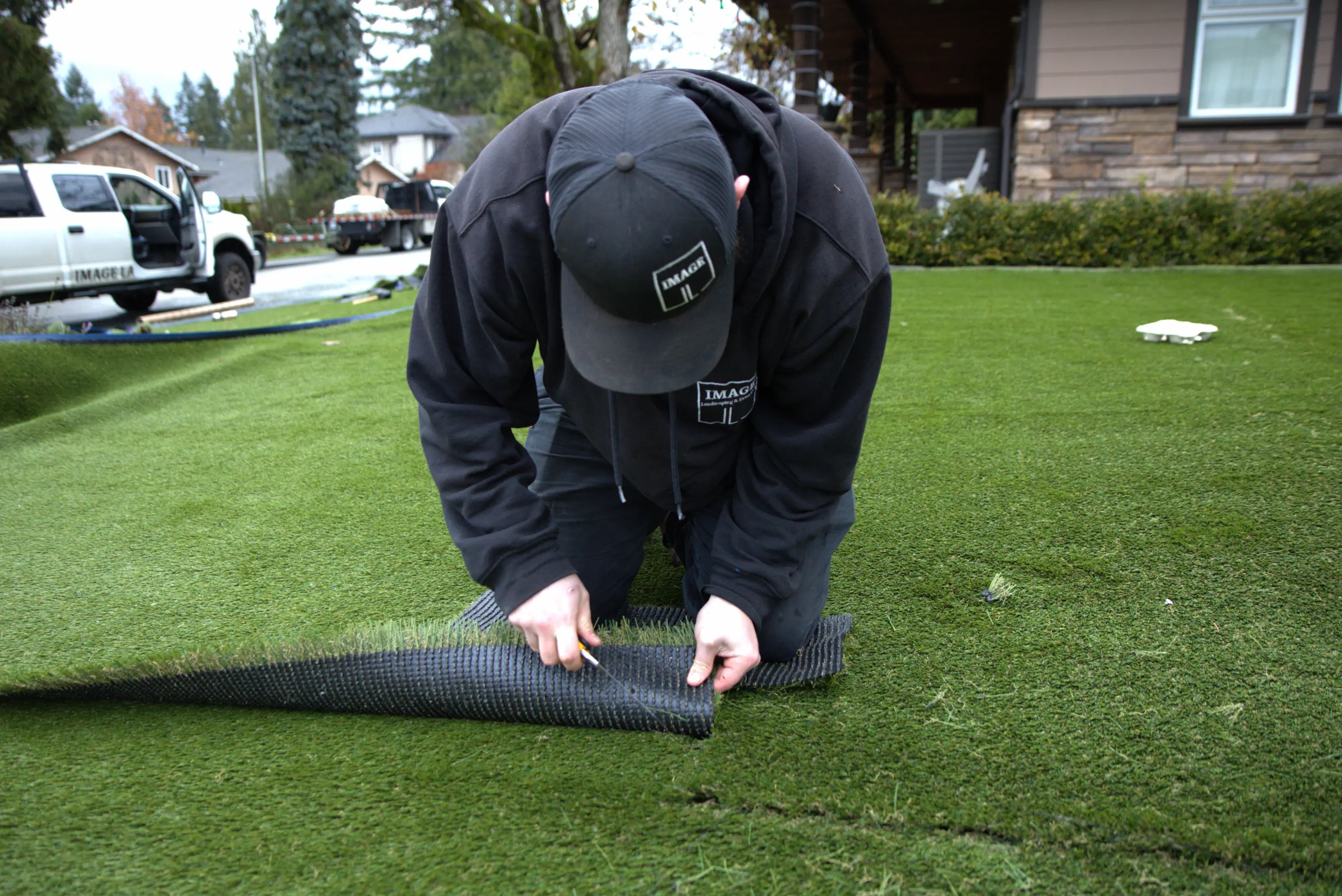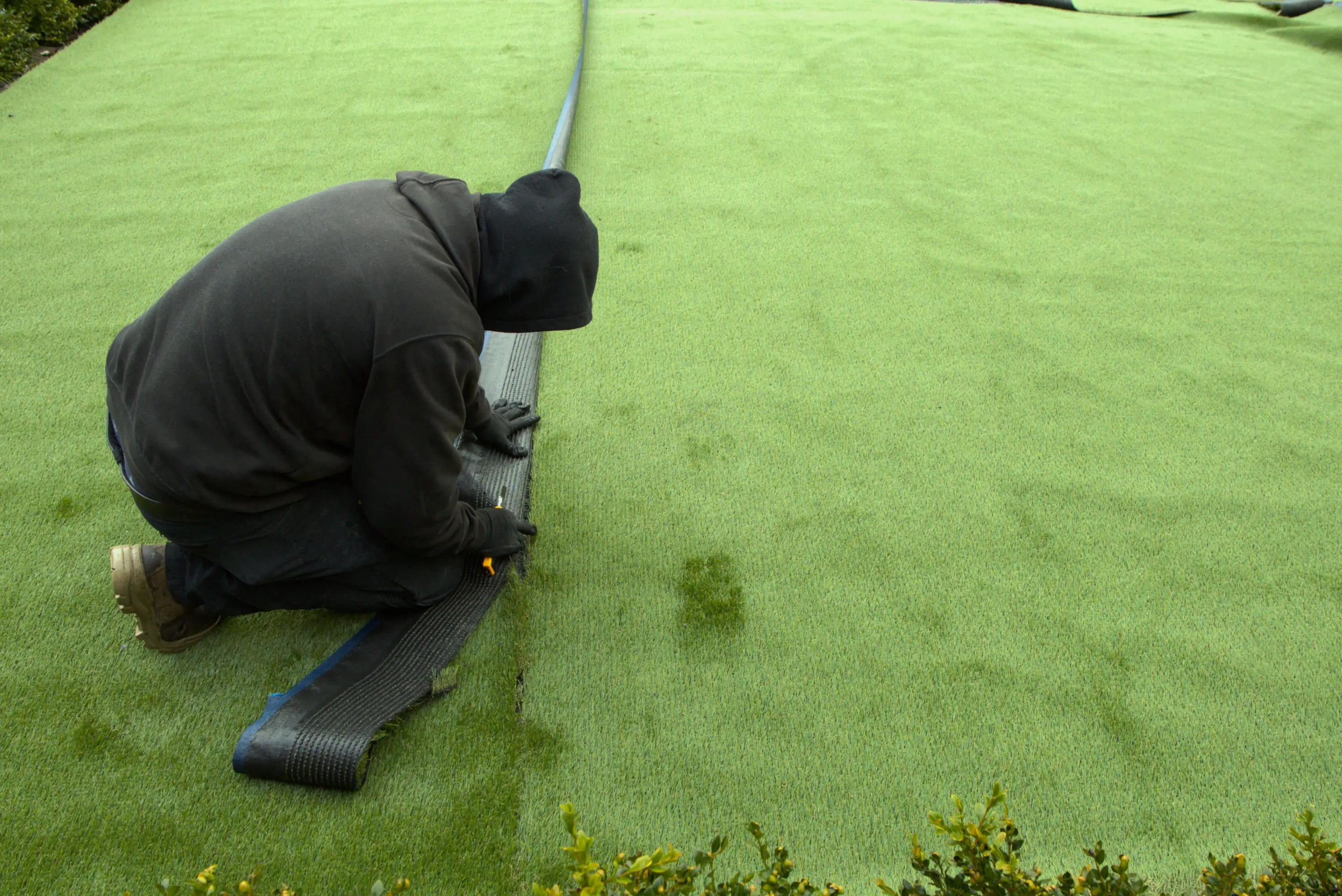
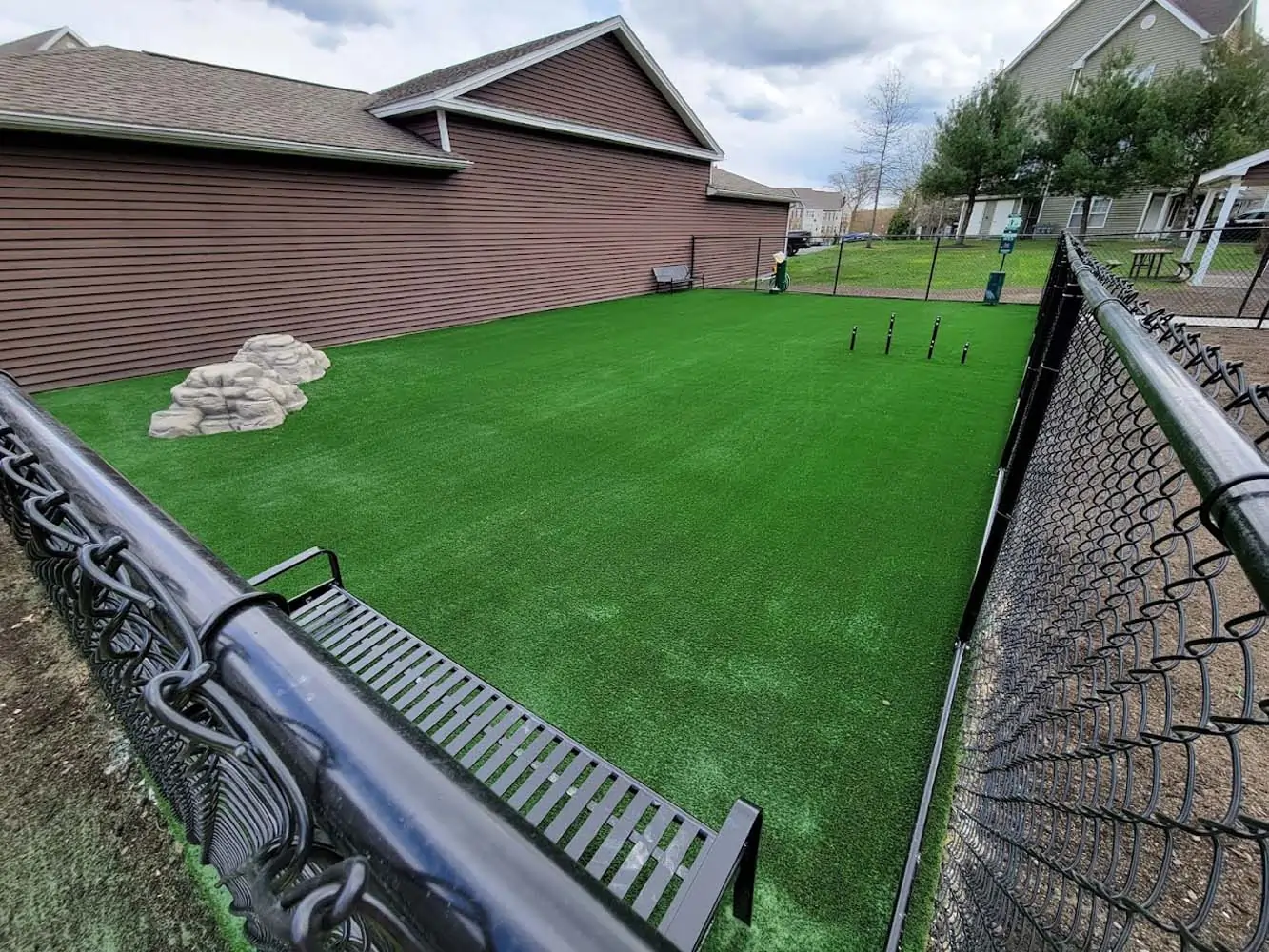
Rosenberg is a dog town in the practical sense. Families here have working dogs, hunting dogs, backyard dogs, and multi-pet households where the backyard is a real use zone — not a showcase. When Bermuda clay gets wet and dogs run on it, you get a mud situation that takes weeks to recover. When it is dry and they dig, you get bare patches that will not re-establish until next spring. Artificial Grass of Rosenberg installs pet-specific turf systems that eliminate that cycle.
The difference between generic residential turf and a proper pet installation is in the base and the infill. Dogs concentrate use in specific zones — gate areas, fence lines, and anywhere they patrol. Those spots get more impact, more moisture from urine, and more digging pressure than the rest of the yard. We reinforce the base in those areas, use a permeable backing that drains urine through to the aggregate below, and select antimicrobial infill that suppresses odor at the source rather than just masking it.
For Rosenberg properties near the Brazos bottomland or in older neighborhoods with heavy clay subgrades, drainage performance is the most critical spec. Urine that sits in infill on a poorly drained base will generate odor no matter what product goes on top. We engineer the drain rate first. Everything else follows from that.
Families in Bonbrook Plantation, Walnut Creek, and the Needville corridor who have given up on maintaining grass through dog traffic will find that a properly installed pet turf system holds up years longer than they expect and costs far less per year than re-seeding or sod replacement.